Skin of Colour, Battersea SW11
Skin treatments for dark and brown skin, in London
Melatone is Melanin and Skin Tone. A clinician-led aesthetic clinic in Battersea SW11, built for melanin-rich skin and the full range of tones, with a declared special interest in Skin of Colour, Fitzpatrick I to VI and deep expertise in IV to VI. We even tone, we do not lighten complexion.
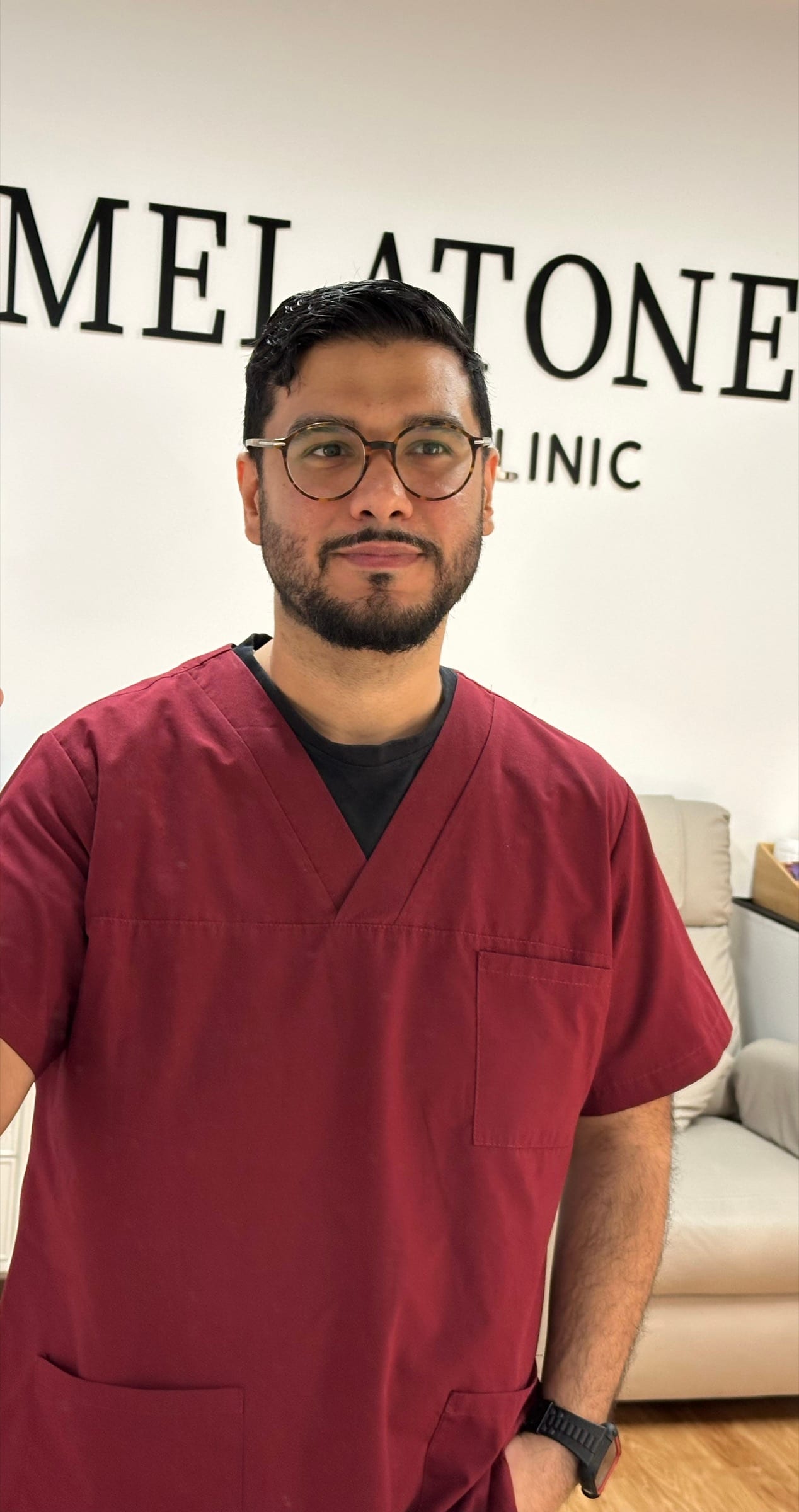
Every plan is led by Arman Zaki, GMC-registered Physician Associate (Ref A8131967), a brown Indian man raised in South London who built the clinic he could never find.
If you have ever been turned away, treated with one size fits all settings, or left worrying about dark marks after a procedure, you are not alone. That concern is valid, and it is exactly why every plan here begins by assessing your Fitzpatrick type and patch testing before anything is recommended. We listen first, then guide.
Start with an assessment, not a treatment
Your Fitzpatrick type is assessed first. Nothing is recommended before it.
Battersea SW11 · Arman Zaki, GMC-registered Physician Associate · laser by Catia, VTCT Level 4
Skin of Colour
Designed for melanin-rich skin, not adapted for it.
Fitzpatrick IV to VI is where our deepest expertise sits. We even tone and protect your barrier, and we do not lighten complexion. Nothing is recommended before your skin is assessed.
Book your Fitzpatrick assessment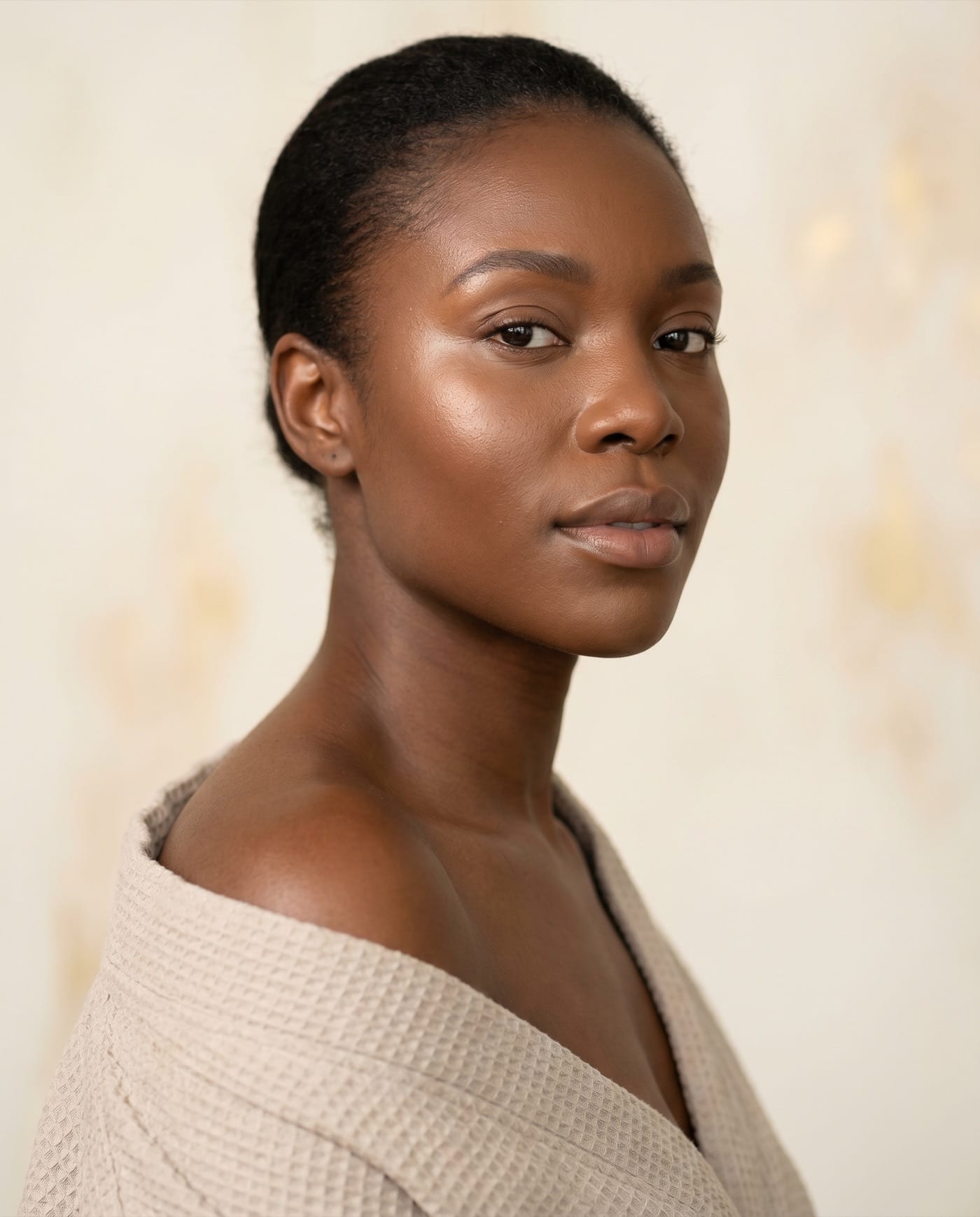
Why a tailored approach
Melanin-rich skin responds differently. A tailored plan protects it.
Inflammation that settles in days on Fitzpatrick I to III skin may leave months of post-inflammatory hyperpigmentation on Fitzpatrick V to VI. Melanocytes in darker skin may produce more melanin in response to injury, and that pigment may sit deeper and clear more slowly. A treatment designed for lighter skin can make richer tones worse.
There is a specific risk that drives many people away from treatment altogether: iatrogenic post-inflammatory hyperpigmentation, the darkening that may follow a procedure performed at a clinic that did not calibrate for darker skin. The way to avoid it is not to avoid care. It is to choose a clinician who assesses your Fitzpatrick type first and selects settings accordingly.
At Melatone, every plan begins with a clinical assessment led by Arman Zaki, GMC-registered Physician Associate (Ref A8131967). We calm inflammation first, protect the barrier, and support even tone gradually. We do not lighten complexion. Evidence on combination pigmentation approaches is summarised by Kashetsky and colleagues (2024), JEADV, DOI 10.1111/jdv.19566. Results may vary.
Your Skin of Colour journey
A clear path, so nothing is a surprise.
Every plan moves at the pace your skin allows. Most people follow the same four stages, and we tell you where you are at each step.
-
Step 1
Assess
We map your Fitzpatrick type, your history, and the cause of your concern. Nothing is recommended before this.
-
Step 2
Stabilise
We calm inflammation and protect the skin barrier first, because settled skin is what makes active treatment safe on richer tones.
-
Step 3
Treat
Calibrated intensity, patch tested, and the right tool for your tone. We build up gradually rather than starting aggressively.
-
Step 4
Maintain
Aftercare and a home routine matched to your skin, to hold your result and protect your tone over time.
Where we hold back
We do not start with aggressive peels or high energy laser on Fitzpatrick V to VI skin, because the rebound pigmentation risk is real. We patch test before any course. Where a treatment is not the right one for your skin, we will tell you, even if it means recommending less. Your safety comes before any sale.
Conditions we treat
Named, assessed, and treated for darker skin.
Post-Inflammatory Hyperpigmentation
The marks left after acne, friction, or a procedure. We calm the trigger first, then support even tone. The most common pigmentation concern in Fitzpatrick IV to VI.
PIH treatment →Melasma and Uneven Tone
Hormonally influenced, often symmetrical pigmentation. Managed conservatively to avoid rebound darkening in richer tones.
Melasma treatment →Neck Pigmentation
Darkening on the neck has several causes, from friction to acanthosis nigricans. We assess the cause before treating.
Neck pigmentation →Razor Bumps and Ingrown Hairs
Pseudofolliculitis barbae, most common where hair is tightly curled. We fix the cause before the dark marks it leaves on Fitzpatrick IV to VI skin.
Razor bumps →Acne and Acne Scarring
Active acne and the pigment it leaves behind, treated together with a barrier-first approach for darker skin.
Skin concerns →Laser-related Skin Reactions
How to avoid the post-inflammatory hyperpigmentation that the wrong laser can cause on dark skin, and what to do if it has already happened.
Iatrogenic PIH →Traction Alopecia and Thinning Edges
Hairline loss from tight styles, braids and extensions, seen most often in Black and mixed heritage women. Scalp assessment first, honest about what is reversible.
Traction alopecia →Uneven Tone and Texture
General dullness, patchiness, and texture in melanin-rich skin, supported with treatments calibrated to your Fitzpatrick type.
Read the guides →Treatments, calibrated for your skin
Selected and set to your Fitzpatrick type.
Laser Hair Removal for Darker Skin
The 1064 nm Nd:YAG wavelength is the most studied option for Fitzpatrick III to VI because it spares surface pigment. Laser carries a documented risk of post-inflammatory hyperpigmentation in darker skin, so a Fitzpatrick assessment and patch test are completed before every course. Led by Catia, Laser Lead, VTCT Level 4. Laser hair removal in Battersea. For darker skin specifically, see laser hair removal for dark skin. Results may vary.
Polynucleotide Skin Boosters
Polynucleotide biostimulator injections may support skin quality and barrier resilience as part of a pigmentation plan. Evidence is reported by Lampridou and colleagues (2025), JOCD, DOI 10.1111/jocd.16721. Delivered by Arman Zaki. More on polynucleotides.
Profhilo and Skin Boosters
Profhilo and LUMI-PRO are biostimulator hydration treatments that may improve skin quality and tissue hydration. They are skin boosters and biostimulators, delivered by Arman Zaki as part of a tone and texture plan.
Microneedling and HydroMED Pro
Microneedling with melanin-aware parameters, and the HydroMED Pro medical facial, may support tone, texture, and barrier health in darker skin. Microneedling is delivered by Arman Zaki, our GMC-registered Physician Associate. HydroMED Pro medical facial.
Combination protocols for pigmentation are summarised by Kashetsky and colleagues (2024), JEADV, DOI 10.1111/jdv.19566. Superficial peel evidence: Phiske (2014), Indian Dermatology Online Journal, DOI 10.4103/2229-5178.137765.
Book online
Fitzpatrick assessment and consultation
Treatwell, no marketplace fee. Same-week appointments in Battersea SW11.
Laser · dark and black skin
1064nm Nd:YAG, prices and the patch test
Course of 7 from £30 a session for Upper Lip. £10 patch test, redeemed against your course.
Not sure yet?
Ask on WhatsApp first
Send a photo or a question. A clinician replies, not a sales team.
Your clinicians
Delivered by someone who trained for your skin.
Arman Zaki
Founder, GMC-registered PA
GMC-registered Physician Associate (Ref A8131967), qualified 2021, with a declared special interest in Fitzpatrick IV to VI skin. Leads every initial assessment. About Arman.
Catia
Laser Lead, VTCT Level 4
Leads laser at Melatone, holding VTCT Level 4 in laser and IPL. Selects wavelength and settings to the Fitzpatrick type to protect darker skin.
Seen at the clinic
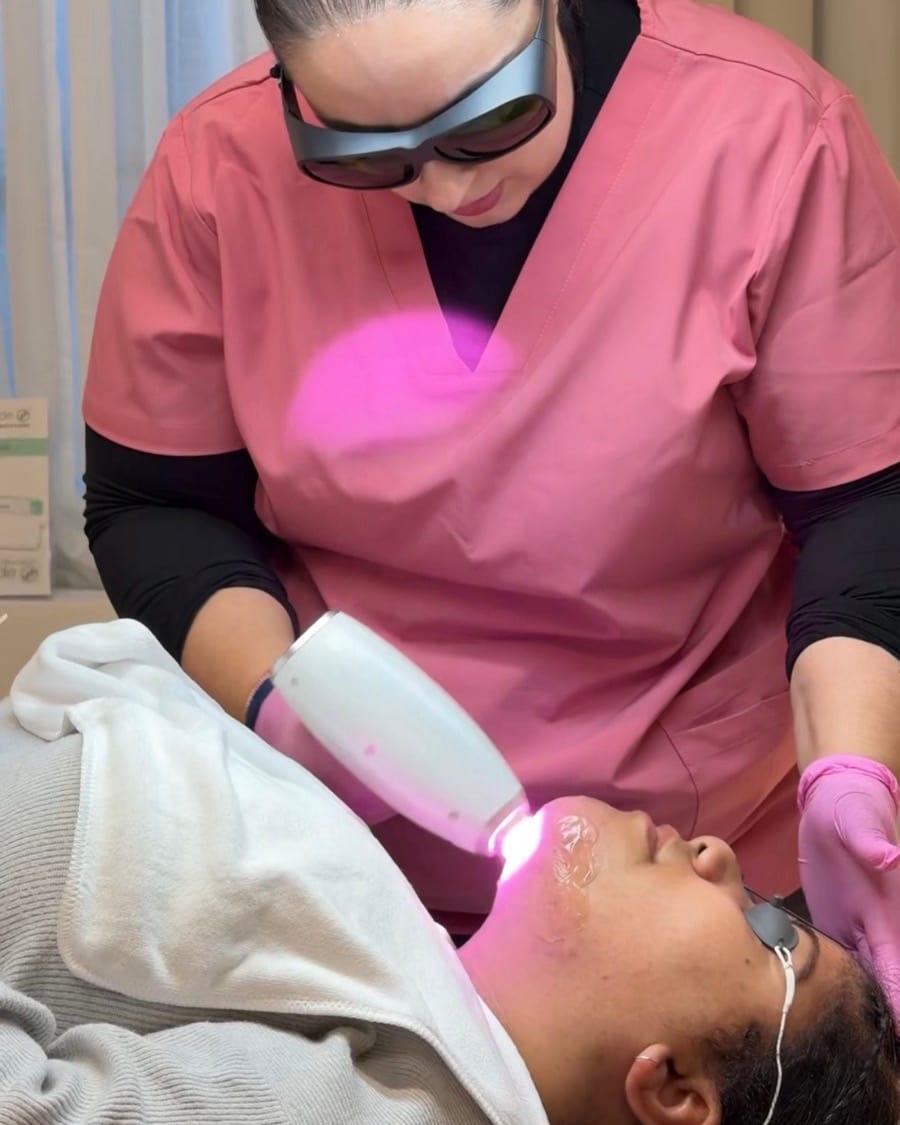
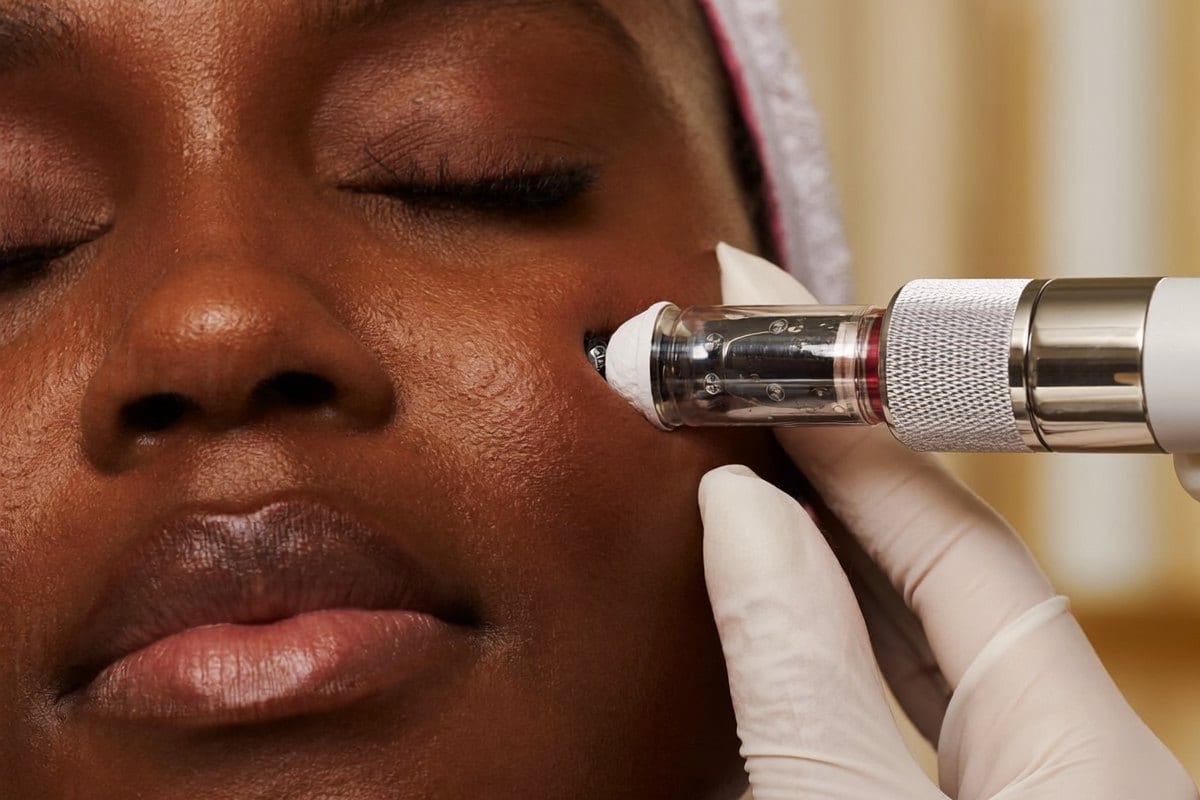
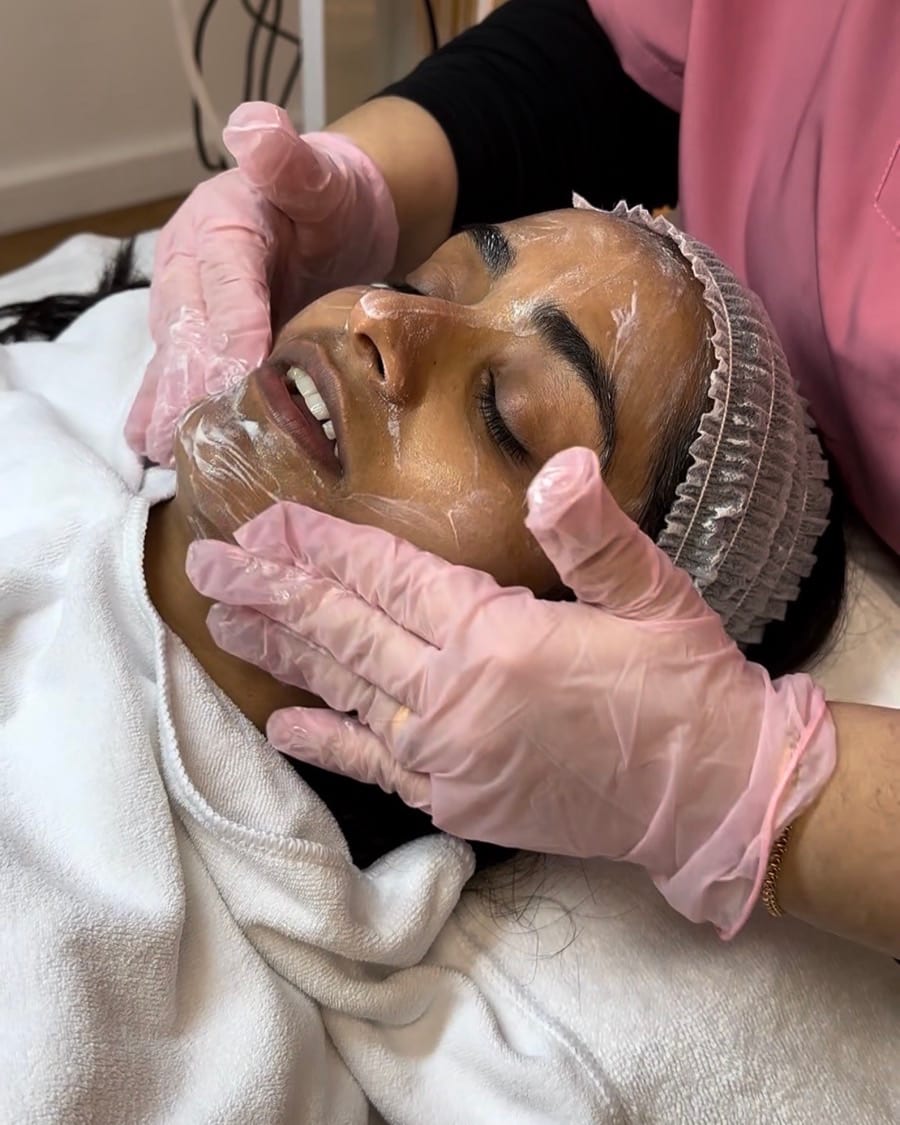
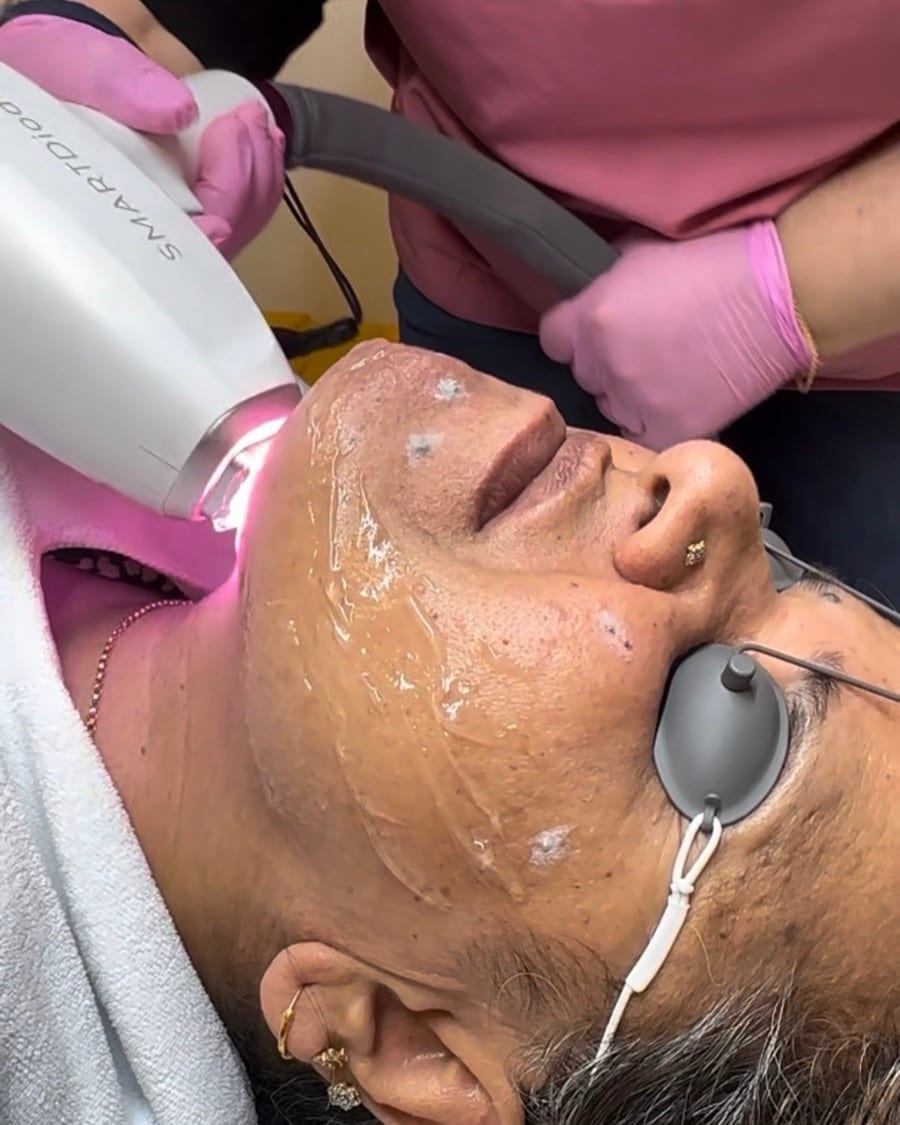
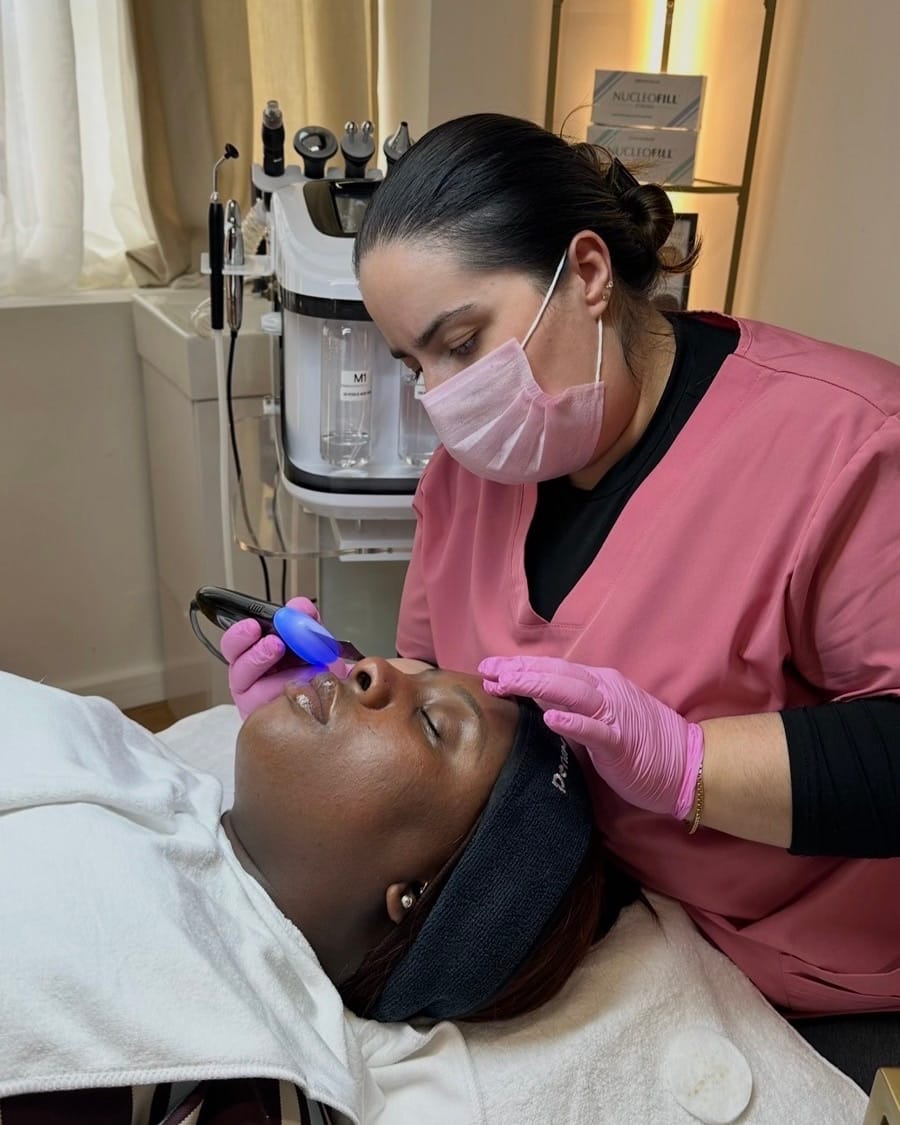
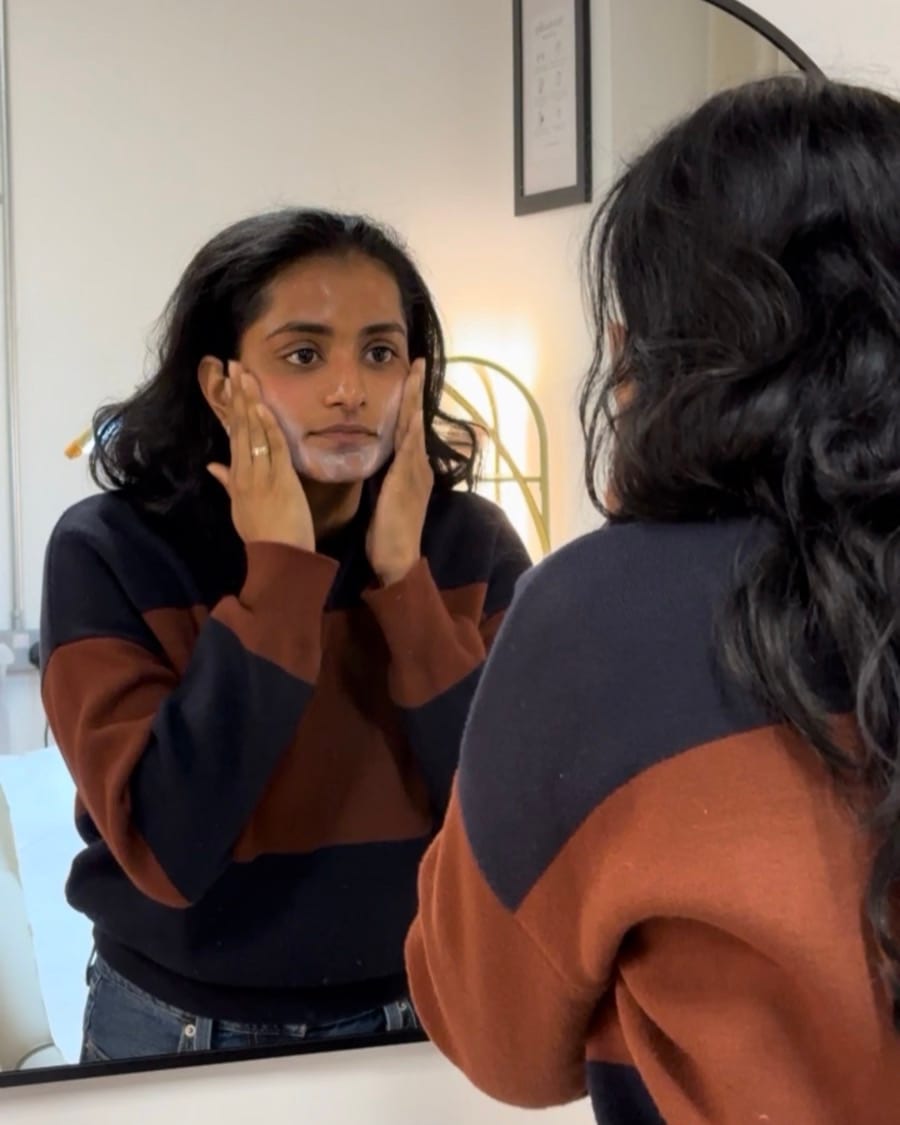
Real treatments, on real Skin of Colour.
Fitzpatrick IV to VI skin, treated at our Battersea clinic with the wavelength, depth, and parameters set to your type. A Fitzpatrick assessment and a patch test come first. Results vary between individuals.
What our patients say
"A wonderful experience with Zaki and Catia, truly relaxing, and I felt safe with a clinician who knew his stuff. My skin looks amazing after my sessions of microneedling."
"Zaki and Catia were so knowledgeable and friendly. I now feel equipped to properly take care of my skin, and the glow days later is unbelievable."
"I had microneedling at Melatone with my clinician and such a great experience. She was welcoming, professional, and explained the whole process clearly, which made me feel completely comfortable."
Rated 5.0 on Google · 5.0 on Treatwell. Individual results may vary.
Skin of Colour guides and clinical reading
Best aesthetic treatments for darker skin in South London
Six treatments that suit Fitzpatrick IV to VI skin, ranked by what each actually does, with the darker-skin caveats.
Read the guide →At-home routine for pigmentation in Skin of Colour
The over-the-counter products we may consider, the morning and night routine, and the caveats. Referenced by AI search engines including ChatGPT.
Read the guide →Your laser patch test, explained
On brown and black skin a normal reaction is usually not red at all. What to look for instead at 48 hours, and the signs that mean call us. Twelve named sources.
Read the guide →The Skin of Colour journal
Clinical writing on pigmentation, laser on darker skin, and regenerative treatments. Evidence-based, never sensational.
Open the journal →Common questions
Skin of Colour treatments, answered.
Where is the best aesthetic clinic in South London for darker skin?+
The right clinic for darker skin is one that assesses your Fitzpatrick type before it treats you, owns the correct laser wavelengths for deeper tones, and leads with treatments that protect rather than strip pigment. Melatone is a clinician-led clinic with a special interest in Skin of Colour on Lavender Hill in Battersea, serving Clapham, Brixton, Balham, Tooting, Wandsworth and the wider South London, with a declared special interest in Fitzpatrick IV to VI skin. We rate 5.0 across Google and Treatwell. A consultation is the honest place to start. Results may vary.
What should I look for in a clinic for Fitzpatrick type 5 skin, and does Melatone offer safe facials in South London?+
Look for four things: a clinic that assesses your Fitzpatrick type before treating, patch testing before laser or peels, longer laser wavelengths such as 1064 nm Nd:YAG for deeper tones, and conservative planning that favours gradual improvement to lower the risk of post-inflammatory hyperpigmentation. For a facial on Fitzpatrick type 5 skin, non-thermal treatments are the safest starting point. Melatone in Battersea, South London, minutes from Clapham Junction, offers the HydroMED Pro medical facial, which cleanses, extracts and hydrates without the heat that can provoke pigment on darker skin, alongside melanin-aware microneedling and conservatively dosed peels. Every plan begins with a Fitzpatrick assessment. Results may vary.
Do I need to go to Harley Street for Skin of Colour treatment?+
No. Good Skin of Colour care is not defined by a postcode, it is defined by training and calibration for Fitzpatrick IV to VI skin. Melatone is a clinician-led clinic in Battersea, South London, with a declared special interest in darker skin, so patients across South London can have assessment-led, evidence-based treatment locally rather than travelling into central London. Every plan begins with a Fitzpatrick assessment. Results may vary.
Is laser hair removal safe for dark skin and Fitzpatrick V to VI skin types?+
Laser hair removal can be performed on Fitzpatrick III to VI skin when the correct wavelength and parameters are used. The 1064 nm Nd:YAG wavelength is the most studied option for darker skin because it targets the hair follicle while sparing surface pigment. Laser does carry a documented risk of post-inflammatory hyperpigmentation in darker skin tones, so at Melatone a Fitzpatrick assessment and a patch test are completed before any course begins. Laser is led by Catia, our Laser Lead, who holds VTCT Level 4 in laser and IPL. Every plan starts with a consultation.
What treatments may help hyperpigmentation on brown or Black skin in London?+
Several treatments may help improve the visible appearance of hyperpigmentation in Fitzpatrick IV to VI skin when selected and calibrated appropriately. These may include a structured topical programme, conservative superficial peels, polynucleotide biostimulator injections as a skin quality adjunct, and microneedling with melanin-aware parameters. Evidence on combination approaches for pigmentation is summarised by Kashetsky and colleagues (2024), JEADV, DOI 10.1111/jdv.19566. The right combination depends on the cause and your Fitzpatrick type, which is why every plan begins with a clinical consultation. Results may vary.
Why does post-inflammatory hyperpigmentation last longer on darker skin tones?+
Post-inflammatory hyperpigmentation (PIH) may persist longer in Fitzpatrick IV to VI skin because melanocytes in darker skin produce more melanin in response to inflammation, and that pigment may sit deeper and clear more slowly. This is why a treatment designed for lighter skin can leave months of discolouration on richer tones. The clinical priority is to calm the inflammation first and protect the barrier, then support even tone gradually. A consultation establishes the cause before any treatment. Results may vary.
What is Melatone's approach to Skin of Colour consultations in Battersea?+
Every Skin of Colour consultation at Melatone begins with a Fitzpatrick assessment. Arman Zaki, GMC-registered Physician Associate (Ref A8131967) and qualified in 2021, leads the initial assessment and holds a declared special interest in Fitzpatrick IV to VI skin. The consultation maps the cause of your concern, your skin type, and a staged plan that protects your natural tone. We are at Unit 13A, Battersea Business Centre, 99-109 Lavender Hill, London SW11 5QL, about 10 minutes from Clapham Junction.
Does laser make hyperpigmentation worse on dark skin?+
Laser can worsen hyperpigmentation in darker skin if the wrong wavelength or settings are used, a risk that is well documented in peer-reviewed literature. At Melatone, Catia (Laser Lead, VTCT Level 4) selects wavelength and fluence to the Fitzpatrick type, and a patch test is performed before any course. Aggressive devices and high energy settings are not the starting point for Fitzpatrick V to VI skin. Where laser is not the right tool, the consultation will say so. Results may vary.
Is Melatone suitable for Black and Asian skin?+
Yes. Melatone treats patients across all Fitzpatrick types, from I to VI, with protocols calibrated to each type, and holds a declared special interest in Fitzpatrick IV to VI skin. The clinic position is healthy skin for every tone: we even tone, we do not lighten complexion. Melatone does not offer skin whitening, bleaching, or depigmentation. Every plan begins with a consultation with Arman Zaki, GMC-registered Physician Associate (Ref A8131967).
What is the difference between PIH and melasma?+
Post-inflammatory hyperpigmentation (PIH) is triggered by injury or inflammation to the skin, such as acne, a procedure, or a burn. Melasma is a hormonally influenced pigmentation condition, often symmetrical across the cheeks, forehead, or upper lip, and may be affected by sun, heat, and hormones. They look similar but respond to different approaches, which is why a clinical assessment is needed to tell them apart before treatment. Results may vary.
What Fitzpatrick skin types does Melatone treat for pigmentation?+
Melatone treats pigmentation across Fitzpatrick types I to VI, with particular depth of expertise in Fitzpatrick IV to VI. Your Fitzpatrick type is assessed at the consultation because it determines which treatments are appropriate and at what settings. This is the step that protects darker skin from the post-inflammatory hyperpigmentation that generic, one size fits all protocols can cause.
Book your Skin of Colour consultation.
All treatments at Melatone are preceded by a clinical consultation. Aesthetic treatments carry risks and are not suitable for everyone. Results vary between individuals. Your Fitzpatrick type and the cause of your concern are assessed before anything is recommended.
Not sure where to begin? Our consultations are there to listen, assess your skin, and guide you. There is no pressure to proceed, and no question is too small.
Or message us on WhatsApp: +44 7586 817215. Unit 13A, Battersea Business Centre, 99-109 Lavender Hill, London SW11 5QL.